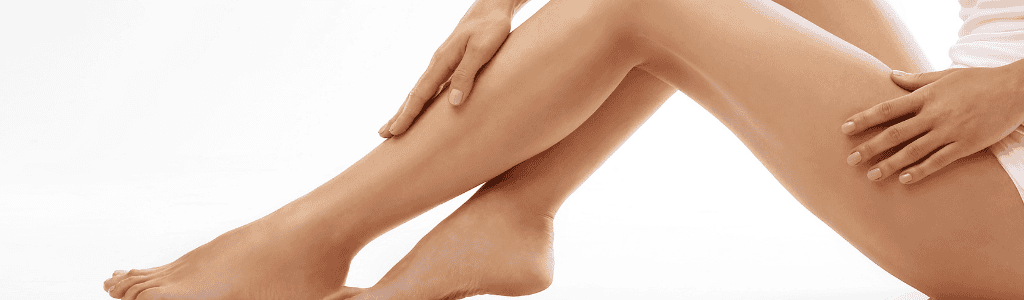
Lipodema is a hormonal, hereditary disease of fat tissue that affects only the legs and hips. Many women are unaware of this condition for years, being labeled as "overweight" or "fat," and despite repeated dieting and exercise, the fat in their legs does not decrease. However, this is one of the most typical symptoms of lipedema.
This article discusses the symptoms of lipedema, how to differentiate it from obesity and cellulite, and when to consult a specialist.
The Most Common Symptoms of Lipedema
Symmetrical leg thickening: The most prominent feature of lipedema is the symmetrical thickening of the legs. Both legs are affected simultaneously and to the same degree. This condition is not related to intentional obesity, but rather to genetic and hormonal factors.
Painful fat deposits and tenderness: Lipodema tissue differs from normal fat tissue; it compresses nerve endings, leading to chronic pain and tenderness even to the slightest touch. The legs may feel constantly heavy.
Easy bruising: In patients with lipedema, even minor bumps or slight pressure can cause noticeable bruising. This is related to the pressure that the lipedema tissue exerts on the capillaries.
Edema and swelling: Significant swelling in the legs occurs, especially after standing for long periods or in hot weather. This swelling may partially decrease after resting overnight.
Absence of hand and foot involvement: Lipedema fat accumulation never affects the hands and feet. While the wrists and ankles remain thin, the legs appear noticeably thicker. This “cuff sign” is a critical feature that distinguishes lipedema from lymphedema.
Discomfort without compression stockings: Lipedema patients experience significant discomfort, heaviness, and fullness when standing for long periods or in hot environments. Wearing compression stockings or a compression garment can alleviate these symptoms.
When do lipedema symptoms begin?
Lipodema typically appears or worsens during periods of hormonal change. Puberty, pregnancy, and menopause are the most common triggers. Individuals with a mother or close female relative who has lipedema may experience onset of symptoms at an earlier age.
Lipodema, Obesity, or Cellulite?
These three situations are often confused with each other.
Obesity is a generalized accumulation of fat throughout the body and can be reduced with calorie restriction. In lipedema, however, fat accumulation is limited to the legs and hips; while the upper body slims down with dieting, the legs remain unchanged.
Cellulite is a skin condition that causes an orange peel-like appearance on the surface of the skin and is usually painless. In lipedema, however, there is pain, bruising, and tenderness in the deeper fat tissue.
What to do if you have symptoms of lipedema.
If you are experiencing some of the symptoms listed above and the appearance of your legs does not change despite diet and exercise, it is recommended that you consult a plastic surgeon or lipedema specialist. Lipedema is diagnosed through clinical examination, and starting the correct treatment early slows the progression of the disease.
Op. Dr. Selçuk Yüce provides expert diagnosis and treatment of lipedema at his clinic in Ankara Maidan Business Center. He also offers imaging-based preliminary assessments for patients coming from outside the city.